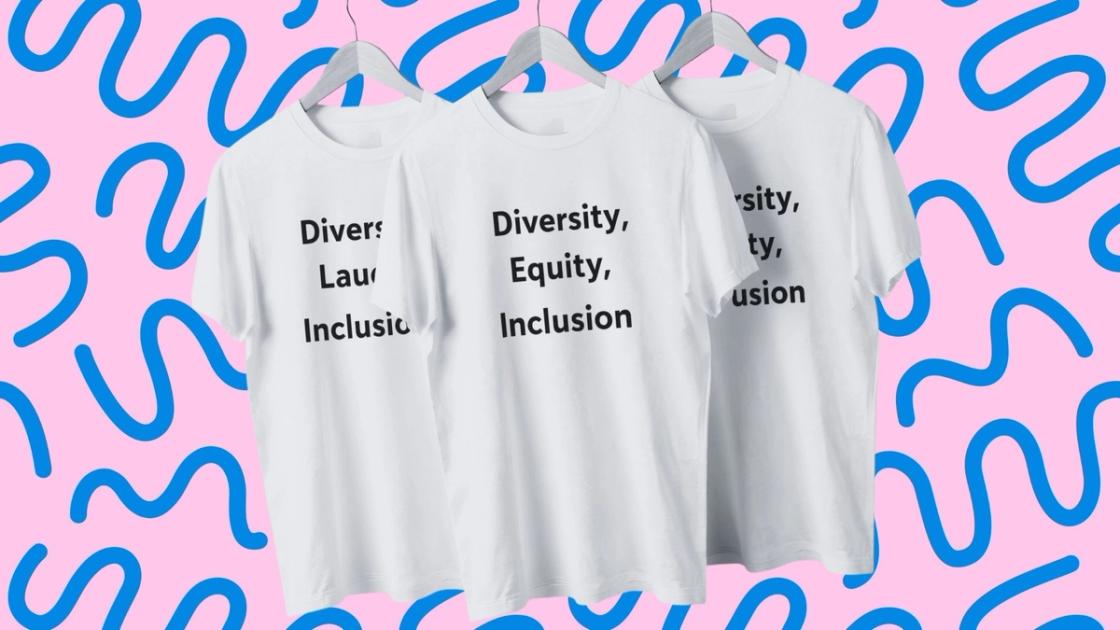
Diversity, equity, and inclusion were never meant to be corporate trends. They emerged from decades of civil rights struggles, labor organizing, feminist movements, and anti-discrimination law. Their purpose was to dismantle barriers that excluded people from opportunity and power.
Today, DEI is everywhere.
Scroll LinkedIn for a few minutes and you’ll find polished posts about women in tech, inclusive leadership, allyship, and equal pay. Conferences are hosted. Panels are packed. Job titles now include “DEI advocate.”
On the surface, this looks like progress.
But a closer look reveals a troubling pattern. The loudest voices in corporate DEI spaces are often young, white, middle-class women from stable societies who benefited from strong education systems and professional networks. Many are thoughtful and well-intentioned. But they are rarely the people who have borne the harshest impacts of structural discrimination.
And yet, they increasingly shape what “inclusion” looks like.
This critique is not about questioning people’s intentions. Many who engage in DEI work genuinely care about fairness. The issue is not motivation, but impact: when inclusion efforts center those least affected by systemic barriers, they risk reproducing the very inequities they claim to address.
Inequity Is Structural, Not Symbolic
Gender discrimination remains real and widespread. But inequity in the workplace does not operate along a single axis.
Research consistently shows that race, immigration status, and socioeconomic background dramatically shape who gets hired, promoted, and paid fairly. Women of color and immigrant women face wider wage gaps and higher unemployment rates than white women across both the United States and Europe.
Hiring discrimination further reinforces these patterns. In a landmark field experiment, economists Marianne Bertrand and Sendhil Mullainathan found that resumes with traditionally white-sounding names received about 50% more callbacks than identical resumes with Black-sounding names (Bertrand and Mullainathan, American Economic Review, 2004). Subsequent studies across Europe have replicated similar outcomes for applicants with immigrant-sounding names.
These are not issues of confidence or personal branding. They are systemic barriers embedded in recruitment and evaluation processes.
Yet mainstream DEI discourse often focuses primarily on increasing the number of women in leadership, particularly those who have already navigated corporate systems successfully. The glass ceiling becomes the dominant metaphor, while far less attention is paid to who never gets through the door in the first place.
When DEI Leadership Lacks Diversity
Scholars have explicitly warned that homogeneous leadership undermines effective inclusion work.
Research on what has been termed the “paradox of diversity in leadership” shows that when leadership teams responsible for diversity efforts are themselves demographically homogeneous, they are more likely to develop blind spots in how they understand inequity and how they design solutions. Lacking lived experience of structural exclusion limits their ability to recognize barriers and implement meaningful reform (Bebbington and Özbilgin, Management International, 2013).
In other words, when inclusion is primarily led by people who have largely succeeded within existing systems, the movement tends to focus on surface-level representation rather than deeper structural access.
This does not make those leaders bad actors. It makes them limited by perspective.
And perspective shapes priorities.
Awareness Is Not Reform
As DEI has grown in visibility, diversity training has become the default corporate response, particularly unconscious bias programs aimed at raising awareness.
But research tells a more sobering story.
The Oxford Research Encyclopedia of Business and Management finds that most diversity training initiatives produce mixed or limited long-term effects unless embedded within broader organizational reforms that change hiring systems, accountability mechanisms, and everyday decision-making structures. Short-term reductions in implicit bias often fade without systemic change.
A large multidisciplinary review published in the Annual Review of Psychology similarly concludes that enthusiasm for diversity training has outpaced evidence of its effectiveness in producing lasting behavioral or organizational change (Devine and Ash, Annual Review of Psychology, 2022).
Training can start conversations. But without structural reform, awareness alone rarely dismantles inequity.
Standardized hiring processes, transparent pay frameworks, clear promotion criteria, and leadership accountability show stronger evidence of impact. Yet these measures require redistributing power and exposing inequity — which makes them far less popular than workshops.
The Incentive Problem
Another uncomfortable reality sits beneath modern DEI culture: inclusion has become socially rewarded.
Posting about allyship builds personal brand equity. Hosting panels enhances professional visibility. Companies gain reputational capital by sponsoring initiatives and publishing polished diversity statements.
Sociologists describe this dynamic as performative allyship — visible expressions of support that generate social approval without challenging underlying systems.
This does not mean everyone engaging in DEI is insincere. But incentives matter.
It is easier to attend a panel than to challenge a biased hiring decision. It is safer to post about inclusion than to confront inequity in a closed meeting. It is more comfortable to host workshops than to demand pay transparency.
Real reform carries risk.
Performance does not.
When Privilege Shapes the Narrative
Privilege does not mean someone had an easy life. It means the system was not designed to block them.
A white woman may experience sexism while still benefiting from racial and economic advantages. When DEI narratives are shaped primarily by those with comparatively greater structural privilege, conversations tend to center on issues closest to their own experiences.
Leadership confidence replaces structural access. Representation replaces redistribution. Visibility replaces accountability.
Race, class, immigration status, disability, and language discrimination become secondary because they are more uncomfortable — and more disruptive to corporate structures.
This shift makes DEI safer and more palatable, but also less effective.
Naming how power shapes inclusion movements is not divisive. It is how progress has always occurred. Every major social reform has required uncomfortable conversations about who benefits most from existing systems.
DEI as a Personal Brand
Every social movement that gains popularity faces commodification. Environmentalism produced greenwashing. Wellness became an industry of surface-level fixes. Social justice is undergoing a similar transformation.
DEI has become a professional identity.
People are rewarded for speaking about inclusion rather than changing outcomes. Companies are praised for initiatives rather than equity metrics. Difficult conversations are softened to preserve reputations.
When justice becomes marketable, it attracts those who benefit from appearing progressive without challenging the structures that advantage them.
The result is inclusion that looks impressive but changes little.
What Real Inclusion Requires
If DEI is to move beyond performance, it must return to measurable outcomes and structural reform.
That means:
• Centering voices of those most affected by discrimination
• Tracking hiring, promotion, pay equity, and retention outcomes
• Redesigning recruitment and evaluation systems
• Holding leadership accountable for persistent disparities
Real inclusion disrupts comfort.
Progress that never threatens power rarely changes systems.
A Final Reality Check
For those most harmed by discrimination, inequity is not a content theme or career interest. It shapes income, stability, and future opportunity.
When DEI becomes a branding exercise led primarily by those least structurally harmed, it risks becoming another corporate performance — one that makes privileged professionals feel virtuous while leaving underlying systems intact.
Inclusion should not be an aesthetic.
It should be a disruption.
And if DEI work never challenges power, costs comfort, or changes outcomes, it is likely not doing what it claims to do.